Showing posts with label stem cells panama. Show all posts

Monday, October 1, 2012

Salute to Courage: Stem Cell Recipient Chris Niles earns award for his inspiration

Chris underwent stem cell therapy for spinal cord injury at the Stem Cell Institute in Panama City, Panama. It's great to see he's doing so well. Go Chris!

Patrick E. Litowitz
New Castle News
www.ncnewsonline.com

NEW CASTLE — A physician wanted to be clear with his patient — he would never walk again. The doctor repeated himself.


Chris Niles heard him the first time and knew he was moving forward regardless of the prognosis. The tree that crushed his spine on March 3, 2011, in the back yard of his Hickory Township home created a detour in his life. It didn’t end it.

Niles’ foundation of strength comes from numerous sources: his wife, Jennifer, and two sons, Christopher and Braden; family, friends and strangers; intense physical therapy; and stem cell treatments.

“Chris’ courage amazes me,” Jennifer said. “He still wakes up and faces every day with smile.”

Initially, he was paralyzed from his shoulder blades down. Today, the improvement has extended along the spinal cord to L1 vertebrae, the area near the large intestines. His feet and hip flexors contract, although he doesn’t control their motions. Then there are the tingling and burning sensations he feels in his lower extremities.

Along the journey, his willpower inspires others.

“He is a rock to many people without even knowing,” Jennifer said. “He makes this life look easy because he wants to prove to the world life can go on.”

Last night, her husband was honored as the New Castle Community YMCA’s Salute to Courage award recipient. A dinner in his honor took place at the Villa Banquet Center. The annual award goes to a Lawrence County resident demonstrating courage in recovering from an accident, injury or illness, in living with a disability or through an act of heroism, according to the Y.

More than 350 people attended.

“Chris got contagious,” his brother-in-law Raymond Omer said. “The fact that he has the injury is part of his motivation.

“This whole thing serves as an inspiration to this county. It’s awakened people that we are our brothers’ keepers.”

Chris’ lifelong friend, Carlo DiNardo, said he didn’t pity himself when the accident occurred.

“From Day One, whether he’s going to walk again or not, Chris is going to be OK. He’s not going to throw in the towel. … He can’t give up.

“He started thinking ahead — ‘Now what am I going to do?’ It wasn’t something that stopped him from life.”

Carlo said his friend’s drive is phenomenal.

“He wants to go to work. He wants to be a productive member of society. He also wants to give back.”

Raymond said assistance has come in layers. His family and friends remained steadfast in their support.

“Immediately after the injury, it was those people who had the most intimate relationship with Chris — people he worked with, people he saw every day.

“Now, we have those added layers of people who see this as a story of inspiration that want to participate in some way in Chris’ story. Their assistance is providing relief to those who were with Chris since that day of his injury.”

Although treatments will continue, Raymond and Carlo said Chris wants to take the attention away from him.

“We’re awestruck by the acts of kindness of the Lawrence County community and beyond,” Raymond said. “We’re ready to take this to the next step.

“Chris said to me, ‘I want to shut this down. I’m ready for my name and my fund to go to start helping other people.’ ”


Monday, August 27, 2012

Meek Mill Donates $20,000 to Injured Motocross Rider for Stem Cell Therapy in Panama

Meek Mill is putting his money where his mouth is as far as motocross rider Brad Frace is concerned.

The acclaimed recording artist, who is an avid four-wheel and motorcycle trickster, is leading the charge to raise money for another motorcycle enthusiast, Brad Frace. Brad suffered a spinal cord injury during a race in 2011. After the crash, Brad was confined to a wheelchair. However, through hard work and determination, he is now able to stand on his own. Brad still lacks sensation in his feet, and hopes to improve his walking by undergoing stem cell therapy in Panama.

Brad will receive 16 stem cell injections and 19 physical therapy sessions during his stay. He'll be receiving 2 IV and 2 intrathecal injection of his own bone marrow-derived stem cells along with 8 intrathecal expanded and non-expanded umbilical cord-derived stem cells, and 4 IV injections of umbilical cord-derived stem cells.

The procedure Brad's seeking costs about $30,000. Including airfares, food and hotel for the one-month stay, the Frace's estimate the total cost of the trip to be about $40,000. Meek Mill has promised to chip in half of that cash or $20,000. "I was surprised nobody else ain't help him with it," Meek says in his video clip. "When we somebody workin' or whatever they tryin' to do, we help 'em out."

Mill is now appealing to his fans to help Brad raise the other $20,000. To learn more about Brad's story, or to donate, check out Brad's recovery project website:

http://bradfrace519.blogspot.com/p/the-crash_15.html

Thursday, August 16, 2012

Stem Cell Treatment for Multiple Sclerosis in Panama - "After 1 year, I don't need my cane..."


One year after stem cell therapy for multiple sclerosis (MS) at the Stem Cell Institute in Panama City, Panama, Shirley Wigfall shares her success story. Shirley was diagnosed in 2003 after having trouble walking. After MS drugs were unsuccessful and she was rejected for clinical trials, Shirley found the Stem Cell Institute. Shirley no longer needs a cane to walk and credits stem cells for "truly changing her life".

For more information on stem cell treatments for MS: http://www.cellmedicine.com/treatment/multiple-sclerosis/

Friday, August 10, 2012

Mesenchymal Stem Cells Stop Arthritis in its Tracks - Duke University

Researchers at Duke University announced a promising new stem cell therapy aimed at osteoarthritis prevention after a joint injury.

The probability of developing arthritis after injury (post-traumatic arthritis - PTA) greatly increases after injury. Currently, the US FDA has not approved any drugs that slow or eliminate the progression of PTA.

However, at Duke researchers are beginning to confirm mesenchmal stem cell (MSCs) therapy in arthritis treatment. The treatment is similar to that which professional athletes and others have been seeking abroad in places like Panama and Germany for the past few years.

Ref: Pro/Am Dancer is "Dancing with the Stars" Again After Stem Cell Therapy in Panama

In the study, mice sustaining fractures that commonly lead to arthritis were treated with MSCs. "The stem cells were able to prevent post-traumatic arthritis," said Farshid Guilak, Ph.D., director of orthopaedic research at Duke and senior author of the study.

The study was published on August 10 in Cell Transplantation.

Lead author Brian Diekman, Ph.D said the scientists observed markers of inflammation and noted that the stem cells affected the joint's inflammatory environment following injury.

"The stem cells changed the levels of certain immune factors, called cytokines, and altered the bone healing response," stated Diekman.

The Duke team used mesenchymal stem cells isolated from bone marrow. Bone marrow stem cells are very rare; making isolation difficult and requiring that the isolated cells be cultured in the lab under low-oxygen conditions.

"We found that by placing the stem cells into low-oxygen conditions, they would grow more rapidly in culture so that we could deliver enough of them to make a difference therapeutically," Diekman said.

A richer source of mesenchymal cells is adipose (fat) tissue. Therapeutic doses of MSCs are routinely harvested from fat tissue and do not require culturing in the lab. However, it does takes 5 five days to thoroughly test the adipose cell samples for aerobic bacteria, anaerobic bacteria and endotoxins.

Ref: Stem Cell Therapy for Osteoarthritis

Wednesday, August 8, 2012

Jorge Paz MD – Adult Stem Cell Therapy for Arthritis, Sports Injury, and Autoimmune Diseases (Part 2 of 3) || Video


Stem Cell Institute Spring Seminar 2012
Gilbert, AZ

Stem cell Treatment protocol for autoimmune diseases such as rheumatoid arthritis. Why stem cells must be administered systemically for autoimmune diseases. Dr. Paz elaborates on the disadvantages of same-day fat-derived stem cell treatments. He presents the scientific rationale for treating rheumatoid arthritis (RA) with fat-derived stem cells along with a published case report including patient video. Presentation of similarities between MS and RA and how MS is treated with a combination of human umbilical cord-derived stem cells and adiopose stem cells. Dr. Paz discusses why MS treatment includes umbilical cord-derived stem cells.

Jorge Paz, MD is the Medical Director at the Stem Cell Institute in Panama City, Panama

More information at www.cellmedicine.com

Monday, July 30, 2012

Why does fat (adipose) stem cell therapy take more than one week?

Intravenously administered adipose-derived stem cells will tend to migrate back to the fresh wound site if it is not given an adequate time to heal. Therefore, it is essential to allow about one week after the mini-liposuction before administering any stem cells intravenously. Otherwise, there is a likelihood that the treatment will not be as effective. Additionally, it takes 5 five days to thoroughly test the adipose cell samples for aerobic and anaerobic bacteria as well as endotoxins.

In order to ensure that no patient receives an infected sample, at least 5 days must transpire before the cells can be confirmed safe and injected back into the patient.

Lastly, this 5-day waiting period enables our scientists to culture a small sample of each patient’s stem cells in the lab to observe how they are likely to proliferate once they are inside the body. If a patient’s cells show low viability, Stem Cell Institute doctors will supplement the treatment with additional cord-derived cells to compensate. The same can be done in cases of low cell yield.

Friday, May 18, 2012

Neil Riordan PhD - Stem Cell Therapy for Spinal Cord Injury (Video part 1 of 5)

Part 1: The Stem Cell Institute's Founder, Dr. Neil Riordan discusses mesenchymal stem cells from umbilical cord Wharton's jelly, stem cell expansion, therapeutic potential of umbilical cord mesenchymal stem cells vs. bone marrow mesenchymal stem cells, CD34+ hematopoietic stem cells from umbilical cord blood and the scientific rationale supporting stem cell treatment of spinal cord injury

Friday, May 11, 2012

Latest Stem Cell Therapy Protocol for Multiple Sclerosis

For the latest information on combination stem cell treatment protocol for MS using the patient's own adipose-derived mesenchymal stem cells and donated human umbilical cord tissue-derived mesenchymal stem cells, please visit:

http://www.cellmedicine.com/treatment/multiple-sclerosis/

Friday, April 27, 2012

Great Day in Ft. Worth for Stem Cell Team

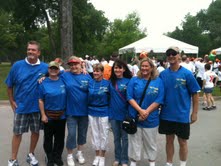
Saturday, March 31 was the annual MS Walk in Ft Worth. This year, thanks to the Stem Cell Institute and some of the area stem cell patients, several of us MS sufferers and stem cell patients met for the Walk. Here’s a picture of several of us who have been to Panama, or Costa Rica, for treatments – (from L – R) Richard, Carolyn, Shelley, Carla, Judi, Holly, and me. We wanted to give the Stem Cell Institute a presence in that sea of MS victims and caregivers. I wish all of them knew that many of us in those blue t-shirts were there walking, actually completing the whole mile, even though we were once unable to do such. I wanted to grab that microphone that the organizers were using and tell all of them “There is HOPE – it doesn’t have to be what you hear from your doctors so often. It can be more than ‘Let’s keep taking this medication so you might get worse at a slower rate’ ” I personally never heard about the possibility of actually improving when I went to good doctors here in the US – but I chose to try the Stem Cell treatment in Panama, and I walked that mile on Saturday! A year ago, six months ago, I couldn’t have done that – but after my third trip to Panama in September, my walking, my balance, and my stamina all improved dramatically. And many of those in our group on Saturday have a similar story; some results more dramatic than others, but most all of us have seen and felt the changes that give us that Hope that all of those sufferers at the Walk are looking for. THANKS STEM CELL INSTITUTE! Sam Harrell Sam in Panama

Thursday, April 19, 2012

Legendary Texas Football Coach and Stem Cell Recipient Sam Harrell Returns to Coaching

In 2010, the debilitating effects of multiple sclerosis forced Sam Harrell to retire from his position as Head Football Coach at Ennis High School. But after receiving 3 courses of stem cell therapy at the Stem Cell Institute in Panama, Sam is returning to the gridiron once again.

Brownwood Lion Head Coach, Bob Shipley announced that Harrell will be joining the team as quarterback coach. Sam coached all three of his sons at Ennis High School, most notably his son Graham Harrell. Graham was a standout quarterback at Texas Tech and now plays for the Green Bay Packers.

During his career at Ennis, Harrell pioneered the spread offense that led the team to three Texas state championships.

"I told the kids this morning," said Coach Shipley when asked about how he addressed the team, "And I didn't have to explain who Sam Harrell was, they knew. And they just erupted in applause and they were just looking at each other with their jaws dropped open, like they couldn't believe that Coach Harrell was going to come and be apart of our staff."

"Sam just really liked the thought of coming and not being the head coach and not being the offensive coordinator, but just coaching the quarterbacks, which is really what his passion is."

The Stem Cell Institute was founded in 2005 by Neil Riordan PhD and has treated over 1,500 patients to-date. Find out more about stem cell therapy for MS at www.cellmedicine.com

Wednesday, April 18, 2012

Quality time: Former Ennis coach Sam Harrell is counting his blessings despite having multiple sclerosis

ENNIS, TX -- Sam Harrell's three state football championships are celebrated in his home office. He has pictures, trophies and balls, and even more memories. For 32 years, Harrell worked in a profession where success is measured by a scoreboard in front of thousands. These days, life's little victories -- unaccompanied by cheers or Gatorade showers -- are just as satisfying. Harrell can jump up and down in his living room. He can walk across a parking lot without a cane or a walker. He can spend hours at Kolache Depot Bakery without getting fatigued. Harrell hasn't beaten multiple sclerosis, but he is successfully living with it. "It puts everything in perspective," Harrell said. "Now, I'd rather play catch with my grandson in the back yard than win a state championship. When that gets taken away from you, you realize how precious it is."

Harrell was 153-51 in 16 seasons at Ennis, winning Class 4A state titles in 2000, '01 and '04. He coached all three of his sons -- Graham, now a backup quarterback with the Green Bay Packers; Zac, the offensive coordinator at Van High School; and Clark, who finished his college career at Abilene Christian in 2010 and now works as a financial planner.

It was in 2005, while he was on the tennis court, that Harrell's vision in one eye became blurry. An eye specialist sent him to a neurologist, who, after running tests, gave Harrell the best possible diagnosis: He had MS. "I didn't know whether I was supposed to cheer or cry," Harrell said. "I got the best of the three things it could be, but the bad news is: I have MS." Multiple sclerosis is a chronic, unpredictable disease that affects the central nervous system. The immune system eats away the myelin sheath surrounding the nerves. Symptoms vary from person to person. Mild symptoms include numbness in the limbs, weakness, fatigue and blurred vision. Severe symptoms include paralysis and loss of vision. There is no known cure for MS.

Harrell chose to keep the news a secret from everyone except his wife, Kathy. He didn't reveal the diagnosis for four years, though, as his condition worsened, those close to Harrell knew something was wrong. "We'd go to practice, and he had to take a golf cart," Graham Harrell said in a phone interview after a recent Packers practice. "Sometimes he was off balance a little bit, or shaky walking. So there were times we knew something wasn't quite right, but we didn't know exactly what was going on until he finally told us. "It was hard to watch, obviously, especially with him wanting to coach, and yet not being able to do it like he used to. But recently, he's seen great improvement, and that's huge encouragement not only to him, but to us, and hopefully he'll continue to get better."

Sam Harrell knew his MS wouldn't kill him, but he thought not coaching might. Sam's father, Jake, established the family business at Seminole, where he spent 20 seasons, including 10 as the head coach. But Sam Harrell's health forced him to quit coaching before the 2010 season. "That's all I'd done my whole life," Harrell said, "so I was sick about it. I just didn't know what I was going to do. "I do wish I could still do it, but I haven't died from not coaching."

Harrell, in fact, is alive and well. He credits three trips to Panama for his improved health. After he retired from coaching, Harrell began researching regenerative medicine. Stem cell treatment is not approved in the United States, but Dr. Neil Riordan, who lives in Trophy Club, is the founder of the Stem Cell Institute in Panama. Riordan is one of the leading stem cell scientists in the world. Harrell talked to several of Riordan's patients, including Richard Humphries, a golf coach out of Diamond Oaks Country Club in Fort Worth. Humphries was diagnosed with MS in 2005.

He began stem cell treatments in 2008. Stem cell treatments introduce new cells, which have regenerative potential, into damaged tissue to treat disease or injury. "After talking to Richard, I didn't have the money, but I knew I was going to go," Harrell said. "I mean, what did I have to lose? I knew where I was headed if I didn't go. I was going downhill fast. So why wouldn't I go try this?" Friends, family and fellow coaches held fundraisers for Harrell's treatments. Harrell's first trip to Panama, which was four weeks, cost $40,000. He has been back twice more, the last time in September.

It wasn't until the third visit that Harrell saw dramatic results. "MS is like a two-hump camel," Humphries said. "You can get over the first hump of active T-Cells fairly easily, but the second hump, the memory T-Cells, sometimes bring our MS symptoms back, as it did with Sam. "He was extremely disappointed for taking the two steps back after three steps forward. I told him it may take another two or three treatments to really get you going again. Needless to say, he could not stop smiling and was greatly relieved. Now, he is seeing the results." Harrell is a strong Christian and is quick to credit God and prayer for his recovery. But he also is a big believer in stem cell therapy.

Kathy Harrell is a more recent convert. She was skeptical until seeing the change in Harrell. "I just feel really grateful that these are good days and good months, and I'm not going to worry about next year," Kathy Harrell said. "It just makes you thankful that things are good right now, and he's pretty mobile. This disease reminds you to just be thankful for the day, so that's what we're doing. I realize now it can be worse." Charean Williams

Monday, April 2, 2012

"The fight to walk" - spinal cord injury patient improving after stem cell therapy in Panama


Published March 31, 2012
By Sue Guinn Legg - Press Staff Writer

Daniel Leonard is doing all he can to walk again, and after a recent course of stem cell treatment he’s as close as he has been since a few months after the 2005 injury that put him a wheelchair.

He was 22 years old and about to begin his third year of college when he woke up one August morning on the floor at his family’s Johnson City home unable to move and struggling to breathe.

While the cause of his injury remains a mystery, what is known is that three vertebrae near the top of his spine had been crushed, leaving him paralyzed from the neck down, on a ventilator and not expected to never walk or even breathe on his own again.

Six months after undergoing surgery to remove the bone fragments from his spinal cord, Leonard, who had played several sports in high school and was boxing at the Johnson City Athletic club prior to his injury, was exceeding all expectations.

In treatment at the Patricia Neal Rehabilitation Center in Knoxville, he was not only breathing independently, he was pulling himself up on parallel bars and being fitted with leg braces to help him take his first steps.

Then the unthinkable happed, again. Because there had been nothing done to stabilize his damaged vertebrae, his spine collapsed at the site of his injury and all of his progress was lost.

“I worked my butt off to get to the point I was about to start walking,” he said. But the gains he had made in upper body strength were erased and there was no longer any movement in his legs.

After a second surgery to fuse the bones, his condition was labeled as “incomplete paraplegia” characterized by limited movement and sensation in all the muscles below his neck and none at all in his legs. Doctors told his family he would never be able to move his legs, and for many years he could not.

For a while, he lived independently with the assistance of a caregiver. When his caregiver left, he moved to a nursing home, expecting to stay only long enough to find another place and another caregiver. But without money to finance that plan, months turned into years and the Four Oaks Health Care Center in Jonesborough became his home for the long term.

Early last year, things took a turn for the better when for reasons unknown he began to regain some movement in his legs. Encouraged, Leonard once again threw all his effort into physical therapy. In October, he began working out regularly with Amy Caperton, a personal trainer at the Tri-Cities Lifestyles fitness center in Johnson City, and coupled that with physical therapy at the new Mountain States Rehabilitation Center.

His family, who had long believed stem cell treatment would provide his best chance at recovery, stepped up their efforts to pay for the treatment.

His sister, Rachael Leonard, a business consultant who had been following the progress of stem cell research and exploring treatment options since a few days after Daniel was injured, zeroed in on The Stem Cell Institute, a reputable facility in Panama founded by Neil Riordan PhD, that concentrates on treatment of spinal cord injuries, muscular sclerosis, rheumatoid arthritis and heart disease.

His mother and siblings pooled their resources and came up with about half the $45,000 needed for the $35,000 cost of his first four-week course of treatment and travel expenses for Daniel, Rachel and their mother, Diane, to make the trip to Panama.

The balance was raised through a series of small benefits — dinners at area restaurants, a concert and an auction, and through many individual gifts and online contributions to Daniel’s fundraising page, www.givefoward.com/danielleonardstemcells.

“People we know around here and businesses were very generous and there was a lot of money raised,” his mother said.

To clear up any misconceptions about the treatment, the family emphasized to everyone interested that the stem cells used at the institute come from umbilical cords donated by new parents and the patients’ own bone marrow and referred them to www.cellmedicine.com for specifics.

“I’m not trying to tell people what to do with their own bodies, but for me, if it had been kill a baby to walk again, there’s no way I would have,” Daniel Leonard said.

The family finally made it to Panama in February. The treatment began with two weeks of daily cord blood cell injections into his spinal fluid and two hours of “intense interval” therapy that requires Leonard to work his muscles as hard as possible for one minute, rest for two minutes and repeat the process over the course of an hour.

“One hour is what they do, but with what I had been doing with Amy already, I thought I needed more,” he said.

The injections were painful and the workouts exhausting, so Leonard was relieved when Panama’s annual carnival week celebration gave him a week of rest before the treatment resumed with another two weeks of daily injections of cells drawn from his hip bones.

On the second day of his fourth week of treatment, Leonard experienced his first noticeable improvement when he flexed the right calf muscle he had not been able to move in years. The following day he felt himself contracting the pectoral muscles in his chest.

Day by day he’s regaining strength and there have been many small, but encouraging, gains that have also been obvious to caregivers. At Four Oaks, his aides are changing the way they handle things. While transferring Leonard from bed to a chair, it’s easier for them to raise him to his feet to pivot, which can now be done with one person’s assistance rather than two.

“These are all little things, but they are huge for us,” Leonard said.

Caperton, who with help from a client at Lifestyles spent a few days in Panama learning all she could from doctors and therapists at the institute, is equally encouraged.

“I am trying to be objective, but I must say he is making drastic improvements and it excites me,” she said.

The next six months before the stem cells die hold Leonard’s greatest opportunity for improvement, and continuing his physical training will play a critical role in the treatment’s effectiveness.

Optimum recovery will come with repeat treatments, and the fundraising for Leonard’s next trip to Panama is under way. There’s a three-on-three basketball tourney being planned at the Lifestyles center, and Leonard is searching for a local business to put up a prize worthy of the tournament’s entry fee.

He’s inviting everyone to follow his progress at his Facebook page, Daniel Leonard Search for a Cure (http://on.fb.me/H6sAtf). And for anyone who wishes to help, online donations may be made at www.giveforward.com/daniellenoardstemcells.

Donations to the “Daniel Leonard Search for a Cure Fund” can also be made at any First Tennessee Bank location or by mail to First Tennessee Bank, 1500 W. State of Franklin Road, Johnson City, TN 37604.

“Hopefully, with the next treatment I’ll be able to stand,” he said. “I’m excited about it. I can’t wait to see the results.”

Tuesday, February 21, 2012

Panamanian-US Scientific Research Supports Using Fat Stem Cells to Treat Rheumatoid Arthritis

Dallas, TX (PRWEB) February 21, 2012

A Panamanian-led, multidisciplinary research team has published the first description of non-expanded fat stem cells in the treatment of rheumatoid arthritis patients. "Autologous Stromal Vascular Fraction Therapy for Rheumatoid Arthritis: Rationale and Clinical Safety", which appears in the January publication of the International Archives of Medicine, followed 13 rheumatoid arthritis patients who were treated with their own fat-derived stem cells.

Treating arthritis with fat-derived stem cells has become commonplace in veterinary medicine over the past five years with over 7,000 horses and dogs treated by publication contributor Vet-Stem, a San Diego-based company. The objective of the joint Panamanian-US study was to determine feasibility of translating Vet-Stem's successful animal results into human patients.

Observing no treatment associated adverse reactions after one year, the team concluded that its protocol should be studied further to determine efficacy in the treatment of rheumatoid arthritis. Their publication details the rationale for the use of fat derived stem cells in treatment of autoimmune conditions and is freely available at: http://www.intarchmed.com/content/pdf/1755-7682-5-5.pdf

“Key to advancement of any medical protocol is transparent disclosure of rationale, treatment procedures and outcomes to the research community in a peer-reviewed and IRB-compliant manner,” said Dr. Jorge Paz Rodriguez, Medical Director of the Stem Cell Institute and research team leader. “While we have previously published case studies on the use of fat stem cells in multiple sclerosis patients, and one rheumatoid arthritis patient, this is the first time that comprehensive follow-up has been completed for a larger cohort of patients,” he added.

An important distinction that separates this particular approach from those which are being explored by several international investigators is that the fat stem cells were not grown in a laboratory, affording a substantially higher level of safety and protocol practicality.

“This work signifies Panama's emergence into the burgeoning field of translational medicine,” commented Dr. Ruben Berrocal Timmons, the Panamanian Secretary of Science and publication co-author. “We are proud to have attracted and collaborated with internationally-renowned stem cell clinical researchers such as Dr. Michael Murphy and Dr. Keith March from the Indiana University School of Medicine Center for Vascular Biology and Medicine, Dr. Boris Minev from the University of California, San Diego Moores Cancer Center, Dr. Chien Shing Chen from Loma Linda University Behavioral Medicine Center and Dr. Bob Harman from Vet-Stem. By leveraging their vast, collective clinical experience with Panamanian scientific infrastructure and know-how, we are striving to develop effective, internationally recognized stem cell procedures that will be accepted the world over.”

The treatment procedure involves a mini-liposuction, collection of the fat's cellular component, processing to obtain a population of cells that includes stem cells, freezing the cells in preparation for quality control, and subsequent re-administration of the cells into patients.

The Panamanian-US group has previously shown that there is a specific type of T cell, called the T regulatory cell, associated with fat stem cells, which is capable of suppressing pathological immunity. Their current theory, which is described in detail in the publication: http://www.ncbi.nlm.nih.gov/pubmed/20537320, is that the T regulatory component of the fat is capable of slowing down or suppressing the “autoimmune” reaction, while the stem cell component causes formation of new tissue to replace the damaged joints.

About the Stem Cell Institute
Founded in 2006 on the principles of providing unbiased, scientifically-sound treatment options, the Stem Cell Institute has matured into the world’s leading adult stem cell therapy and research center. In close collaboration with universities and physicians world-wide, the institute’s doctors treat carefully selected patients with spinal cord injury, osteoarthritis, heart disease, multiple sclerosis, rheumatoid arthritis and other autoimmune diseases. Doctors at The Stem Cell Institute have treated over 1000 patients to-date.

For more information on stem cell therapy:

Stem Cell Institute Web Site: http://www.cellmedicine.com
Facebook: http://www.facebook.com/stemcellinstitute
Blogger: http://www.adult-stem-cell-therapy.blogspot.com

Stem Cell Institute
Via Israel & Calle 66
Pacifica Plaza Office #2A
San Francisco, Panama
Republic of Panama

Phone: +1 800 980-STEM (7836) (USA Toll-free) +1 954 636-3390 (from outside USA)

Fax: +1 866 775-3951 (USA Toll-free) +1 775 887-1194 (from outside USA)

###

Tuesday, February 14, 2012

Stem Cell Therapy for Rheumatoid Arthritis gives patient hope for a pain-free life

The condensed story of my journey to Panama


I was diagnosed with RA in November of 2008. I started with Methotrexate. It made me feel really sick for a couple of months; I adjusted to it somewhat to the extent that I felt queasy for a couple of days after the five or six pills I took every Monday evening.

I still progressively got worse. Then I took Embrel by injection. That only lasted two weeks because I broke out in huge swollen places (looked like red pancakes plastered on my legs where I had taken the injections). Then I tried Areva. That helped some. Only mild nausea, but horrible diarrhea, and the pain worsened.

The right side of my body was affected the worst. I was experiencing difficulty at times holding a fork or a pen. I started taking Celebrex and increased the number of aspirin I was taking daily. Around the first part of 2010 the rheumatologist I was seeing prescribed methotrexate again, but this time in injectable form. The effects were horrible. It was as if I injected myself with food poisoning every Monday evening. I was very sick and unable to work for two days after the shot.

A friend of mine in Corpus Christi, Maryanne Sinclair, contacted me in June and told me the story of a gentleman who had gone to Panama for stem cell therapy. His name is Dusty Durrill. She said the results of the treatment were a miracle for him. He told friends and anyone who would listen about the clinic. My friends said the changes in him were indeed amazing. He was able to walk without assistance, the swelling in his hands and feet had gone down drastically. He flew the head of the clinic to Corpus Christi in June to speak to the people who were wanting more information about the treatments there. I was one of the approximately 200 people who attended the meeting. Dusty Durrell had checked out the clinics in Israel and Germany. There was a clinic at that time also in Costa Rica which has now closed.

I was at that point taking two Celebrex per day and ten to 12 aspirin, and I felt terrible most of time. I applied based on his experience, and arrived in Panama on August 28th.

The following is my testimonial for the Stem Cell Institute

The Stem Cell Institute offers me hope for a pain-free life. I flew to Panama the end of August, 2010 for a two-week stay and treatment for Rheumatoid Arthritis. I was most impressed with their facilities, personnel, and administrative support which are an adjunct to the treatment regimen associated with the patient care. The medical staff exhibits a degree of care which exceeded my expectations. To date, I have experienced positive results from the stem-cell infusions with no adverse reaction. I am continuing to improve which is an apparent result of my treatment.

I am delighted to speak with your prospective patients that want to speak to someone who has been through the Stem Cell Institute.

Sincerely,

Marian D’Unger

Monday, February 13, 2012

Spinal cord injury patient gaining strength after stem cell therapy in Panama


Gaining Strength

CEDAR CITY, UTAH - Jarom Hlebasko, a Cedar City man who suffered a spinal cord injury more than 10 years ago while playing in the snow, has been working hard in physical therapy to gain strength after receiving stem cell treatments in Panama in October 2011.

Following his trip to Panama City, Hlebasko, who seeks to regain the use of his arms and legs, said he has seen noticeable improvement in his physical condition, which he attributed to physical therapy and the stem cell treatments that involved removing stem cells from his body and using them to treat his spinal cord.

One of the improvements he has noticed is that he is able to work out for longer periods of time. He said he is also experiencing sensation in parts of his body that were once numb, especially when he exerts muscles while working out.

He said he has been told that patients with spinal cord injuries generally need more than one round of stem cell treatment. He said he hopes to be able to go back to Panama for additional treatment in the future. Future treatments, he said, would not be as expensive or as lengthy as the first one, during which he remained in Panama for a month. He said medical professionals at the Stem Cell Institute in Panama City have already extracted stem cells from his hip that have not yet been used.

While Hlebasko has received assistance from community fundraising efforts, he said he does not want to ask the Iron County community for any more money to pay for his stem cell treatments. However, his foundation, which is called Hope for the Change, is preparing a fundraising event to help a resident of Cedar City or the surrounding area to receive needed medical treatment.

"We've already started the ball rolling with (selecting) another applicant," he said.

His wife, Leslie Hlebasko, said anyone who would like to apply to be the beneficiary of the fundraiser can go to the Hope for the Change Foundation's website, www.hopeforthechange.com, to learn about the requirements for applying.

"It's for any kind of medical need that isn't covered by your insurance," she said.

She said an impartial committee will select this year's beneficiary.

Jarom Hlebasko said applicants who are not chosen to benefit from this year's fundraiser will have the opportunity to try again next year.

"We're hoping the community will realize that this is an annual event," Leslie Hlebasko said.

Aided by financial assistance that allowed him to receive stem cell treatments, Jarom Hlebasko said the quality of his life has noticeably improved. He said he feels stronger than he did before the treatments.

"It just takes time," he said.

Tyler Brinkerhoff, a physical therapist with Southern Utah Physical Therapy, said he worked with Jarom Hlebasko before and after the stem cell treatments.

Brinkerhoff said he has seen Jarom Hlebasko gain more muscle mass and balance.

"The thing that I think that has been good about Jarom is that he's worked really hard." Brinkerhoff said.

Dena Cloward, a friend of the family, said she has also noticed that Jarom Hlebasko has gained muscle.

"I've definitely seen positive changes in him, which is so exciting," she said.

Cloward is working with the Hlebaskos to organize this year's fundraiser.

Organizers have yet to announce the date and location of the fundraiser.

FROM: THESPECTRUM.COM

Thursday, February 2, 2012

Autologous mesenchymal stem cells for the treatment of secondary progressive multiple sclerosis: an open-label phase 2a proof-of-concept study

From National Institutes of Health, US National Library of Medicine

Connick P, Kolappan M, Crawley C, Webber DJ, Patani R, Michell AW, Du MQ, Luan SL, Altmann DR, Thompson AJ, Compston A, Scott MA, Miller DH, Chandran S.

Department of Clinical Neurosciences, University of Cambridge, Cambridge, UK.

Abstract

BACKGROUND:
More than half of patients with multiple sclerosis have progressive disease characterised by accumulating disability. The absence of treatments for progressive multiple sclerosis represents a major unmet clinical need. On the basis of evidence that mesenchymal stem cells have a beneficial effect in acute and chronic animal models of multiple sclerosis, we aimed to assess the safety and efficacy of these cells as a potential neuroprotective treatment for secondary progressive multiple sclerosis.

METHODS:
Patients with secondary progressive multiple sclerosis involving the visual pathways (expanded disability status score 5·5-6·5) were recruited from the East Anglia and north London regions of the UK. Participants received intravenous infusion of autologous bone-marrow-derived mesenchymal stem cells in this open-label study. Our primary objective was to assess feasibility and safety; we compared adverse events from up to 20 months before treatment until up to 10 months after the infusion. As a secondary objective, we chose efficacy outcomes to assess the anterior visual pathway as a model of wider disease. Masked endpoint analyses was used for electrophysiological and selected imaging outcomes. We used piecewise linear mixed models to assess the change in gradients over time at the point of intervention. This trial is registered with ClinicalTrials.gov, number NCT00395200.

FINDINGS:
We isolated, expanded, characterised, and administered mesenchymal stem cells in ten patients. The mean dose was 1·6×10(6) cells per kg bodyweight (range 1·1-2·0). One patient developed a transient rash shortly after treatment; two patients had self-limiting bacterial infections 3-4 weeks after treatment. We did not identify any serious adverse events. We noted improvement after treatment in visual acuity (difference in monthly rates of change -0·02 logMAR units, 95% CI -0·03 to -0·01; p=0·003) and visual evoked response latency (-1·33 ms, -2·44 to -0·21; p=0·020), with an increase in optic nerve area (difference in monthly rates of change 0·13 mm(2), 0·04 to 0·22; p=0·006). We did not identify any significant effects on colour vision, visual fields, macular volume, retinal nerve fibre layer thickness, or optic nerve magnetisation transfer ratio.

INTERPRETATION:
Autologous mesenchymal stem cells were safely given to patients with secondary progressive multiple sclerosis in our study. The evidence of structural, functional, and physiological improvement after treatment in some visual endpoints is suggestive of neuroprotection.

FUNDING:
Medical Research Council, Multiple Sclerosis Society of Great Britain and Northern Ireland, Evelyn Trust, NHS National Institute for Health Research, Cambridge and UCLH Biomedical Research Centres, Wellcome Trust, Raymond and Beverly Sackler Foundation, and Sir David and Isobel Walker Trust.

Wednesday, February 1, 2012

Pro/Am Dancer is "Dancing with the Stars" Again After Stem Cell Therapy in Panama

Corpus Christi, TX (PRWEB) February 01, 2012


Pro/Am ballroom dancer and orthodontist, Dr. Janet Vaughan, is once again slated to compete on the professional dance circuit with her current professional partner, Mr. Eddie Stutts (Professional 10-Dance World Champion) following a successful stem cell procedure on her knee in Panama.

From 2007-2009, Dr. Vaughan partnered with World Champion Tony Dovolani and competed extensively in the U.S., winning a National Reserve Pro/Am Rhythm title. Tony Dovolani is best known for his appearances on ABC's hit reality series, "Dancing with the Stars", and has teamed up with Chynna Phillips, Wendy Williams, Audrina Partridge, Kate Gosselin, Kathy Ireland, Susan Lucci, Jane Seymour and other celebrities on the show.

Dr. Vaughan and Mr. Stutts are slated to compete in the Heritage Classic Dancesport Championships in Asheville, North Carolina next month. This will be the first time Dr. Vaughan has been able to compete since 2010 when she sustained a dancing related knee injury.

Dr. Vaughan also suffered from chronic neck pain resulting from injuries sustained in a car crash twenty years ago. Her neck injury culminated in a natural fusion of the c5-c6 vertebrae, scoliosis and extreme pain when her neck slipped out of alignment.


In an attempt to repair her knee and get her dancing career back on track, Dr. Vaughan decided to undergo stem cell therapy at the Stem Cell Institute in Panama City, Panama. "I was basically removed from competitive dance work because I could not rise or squat without extreme pain. I had also resigned myself to enduring chronic neck pain from my past accident and painful hand joints due to generalized arthritis," said Dr. Vaughan.

Dr. Vaughan 's knee was treated with stem cells that were harvested from her own adipose (fat) tissue.

The fat tissue sample is collected via mini-liposuction, which is performed by a certified plastic surgeon under light, general anesthesia. Mesenchymal stem cells and T regulatory cells reside within this tissue.

Adipose-derived cells are then separated from the fat at Medistem Panama’s state-of-the-art laboratory at the prestigious City of Knowledge. This entire process is subjected to stringent quality control. Before they can be administered back into the patient, these adipose-derived stem cells are tested for quality, bacterial contamination (aerobic and anaerobic) and endotoxin.

All patients treated with adipose stem cells at the Stem Cell Institute wait about one week before the stem cells can be re-implanted to minimize the probability of the cells migrating back to the liposuction injury site. This essential procedural step separates treatment in Panama from "same-day" protocols offered elsewhere.

The adipose-derived stem cells are administered by a highly-qualified physician into the affected joint(s) (intra-articular injection) and intravenously (IV).

"It's taken about 6 months but I am amazed at the results I've gotten with my knee. Even my neck is better. I used to spend almost $1,000 per month on a neuromuscular massage therapist but I haven't needed any neuromuscular massages for the past 6 months. I wasn't counting on that. Even my doctors say that the dense scar tissue in my neck has changed in texture from grizzly to smooth, supple tissue," exclaimed Dr. Vaughan.

She continued, "I just danced 6 hours in Houston preparing for the upcoming competition in Asheville and my knee isn't even sore."

Dr. Vaughan is planning to return to Panama for a follow-up treatment this summer.

About the Stem Cell Institute
Founded in 2006 on the principles of providing unbiased, scientifically-sound treatment options, the Stem Cell Institute has matured into the world’s leading adult stem cell therapy and research center. In close collaboration with universities and physicians world-wide, the institute’s doctors treat carefully selected patients with spinal cord injury, osteoarthritis, heart disease, multiple sclerosis, rheumatoid arthritis, and other autoimmune diseases. Doctors at The Stem Cell Institute have treated over 1000 patients to-date.

About Medistem Panama Inc.
Medistem performs all stem cell processing for the Stem Cell Institute. It operates an 8000 sq. ft. cGMP and cGMP compliant laboratory that features 3 class 10000 clean rooms, 8 class 100 laminar flow hoods, and 12 class 100 incubators.

For more information on stem cell therapy:

Stem Cell Institute Website: http://www.cellmedicine.com

Stem Cell Institute
Via Israel & Calle 66
Pacifica Plaza Office #2A
San Francisco, Panama
Republic of Panama

Phone: +1 800 980-STEM (7836) (USA Toll-free) +1 954 636-3390 (from outside USA)

Fax: +1 866 775-3951 (USA Toll-free) +1 775 887-1194 (from outside USA)

Tuesday, January 31, 2012

Fat Stem Cells Turn to Muscle: A Treatment for Muscular Dystrophy?

New research published in the journal Biomaterials by University of California, San Diego researcher Adam Engler suggests fat-derived stem cells that are developed on a stiff surface transform into mature muscle cells. This remarkable discovery could lead to new treatments for muscular dystrophy in the future.

Fat stem cells and bone marrow stem cells were grown on surfaces with different degrees of hardness ranging from very hard bone-like surfaces to very soft brain tissue-like surfaces.

The researchers found that the fat derived stem cells were much more likely (up to fifty times) to exhibit proteins that are essential to the cells becoming muscle tissue.

Yuk Suk Choi, a post-doc team member, says that the fat-derived stem cells seem to proliferate better than bone marrow cells when introduced to the hard surfaces. “They are actively feeling their environment soon, which allows them to interpret the signals from the interaction of cell and environment that guide development,” explained Choi.

Unlike bone marrow stem cells, stem cells from fat fused together to form myotubes. Although this phenomenon has been observed in the past, it has never been observed at such a high degree by Engler in the lab. Myotubes comprise an essential step in muscle formation.

Next, Engler and his team plan to observe how fused cells from fat perform in lab mice which are afflicted with a particular form of muscular dystrophy.

However, Dr. Engler cautioned, “From the perspective of translating this into a clinically viable therapy, we want to know what components of the environment provide the most important cues for these cells."

Friday, January 27, 2012

Stem Cell Treatment for Multiple Sclerosis - "Everyone got their wish, plus more

  "...Everyone got their wish, plus more."
  Shelley Sims


Stem cell therapy patient, Shelley Sims, discusses her improvements following stem cell treatments at the Stem Cell Institute in Panama City, Panama. Shelley has reduced her medications from thirteen to two. She reports significantly decreased fatigue that has enabled her to start playing racquetball with her son as well as coach his basketball team - things she could never do before treatment.

Thursday, January 26, 2012

Young girl from Hawaii making remarkable progress after stem cell treatment for cerebral palsy

  Sarai beginning to walk. She could not even stand before treatment.

Sarai Nathan suffers from mild spastic quadriplegic cerebral palsy. She came to the Stem Cell Institute at the beginning of August 2011 when she was about 16 months old. The following is a transcription of a phone call interview with Sarai's mother, Elisabeth. It took place on January 18, 2012 about 5 1/2 months after her stem cell treatments.

How is Sarai doing since receiving stem cell therapy five months ago?

She's walking with very, very little support. Ever since we got the stem cell transplant, there's been tons of progress. The major thing that I relay to people is that the stem cell treatment kind of put the cells in place to rebuild everything.

We flew right from the stem cell treatment to a place called the Napa Center and did a three-week intensive [physical therapy] program four hours per day and she was a completely different person four weeks later.

Once the stem cells migrated and rebuilt, all-of-the-sudden she was able to able to do all these things crazy quickly. It was unbelievable. She went from not being able to sit to sitting, standing and cruising furniture by herself; without any assistance at all and she couldn't even lift up her trunk prior to coming to Panama. Out of 100% being fully recovered, I would say she has had an 85% recovery since before the stem cells.

I know that the stem cells kind of laid the ground work for that progress to be made but I definitely believe that doing the intensive right after the stem cells sealed the deal. I don't think it was just the stem cells. I think that doing one right after the other made the progress amazing.

Did you try any other kinds of treatments before stem cells?

We tried hyperbaric [oxygen treatments] which worked but I noticed that the results regressed a little bit after a few months. It would make her spasticity better and then little by little I'd notice it start to come back 3 -5 months later. The whole thing was very expensive and time consuming though.

How did you find out about the Stem Cell Institute?

I am really active on a lot of Yahoo groups and I read about the parents who had positive results with stem cells and many had good experiences with the Stem Cell Institute. So I called them and they were really on top of getting back to me and answering all of my questions.

And my dad, who has a background in law enforcement, had it checked out as well because he said that he wouldn't pay some crooks to inject my kid at some random place in Panama. After everything checked out, he helped me pay for it. And I am so glad that we got to do it.

What is your opinion of the doctors and medical staff at the clinic?

We tell people all the time that it was the best medical care we've ever received since our daughter was born. The hospitals, doctors, they were all far superior in patient care. They were prompt, professional, loving and they still check in with us all the time.

And the IV, I've never seen someone nail an IV that quickly. Randy Bowen [MD], who did all of her IV injections was just so good. My daughter had a huge crush on him and on the second day, actually started handing him her arm. Instead of crying when she was about to get an injection, she would look a little scared and just hand him her arm like, "Alright, just get it over with." She was only 16 months old so it wasn't like she could talk or anything.

What do her doctors and therapists at home think?

Well, I didn't tell her pediatrician that we were going because I knew that he would try to talk me out of it. So I made an appointment right when we got back from the stem cells and the intensive. [at the appointment] I had her sitting on the table by herself and he walked in and said, "Oh, my God! What did you do?" I told him that we actually took her to get a stem cell transplant and he said, "This is the most amazing, miraculous thing I have ever seen. She's a completely different kid. Where did you go?"
He was asking me about all the information for the clinic; everyone's name and number. He also said, "I would have tried to talk you out of it so I am so glad you didn't tell me. What happened to your child is unbelievable and it makes me want to fight and advocate for stem cells." He's been specializing in neuro-developmental delays for a long time and said that he would everything he could for the rest of his life to advocate for this therapy.

Now the center that did her intensive [physical therapy]...the things they said were, "I've never seen a child progress so quickly." They watched her spasticity go away and they also watched her strength increase and all her therapists just kept saying, "It's not usual for a kid to progress this quickly. She is doing exceptionally well." All of our therapists - when we got home to Hawaii - they said the same things, "This is like a completely different child. This is unbelievable."

And they asked me, of course, where we went.